The Age of Attraction Experiment: Deconstructing Age Bias in Modern Romance
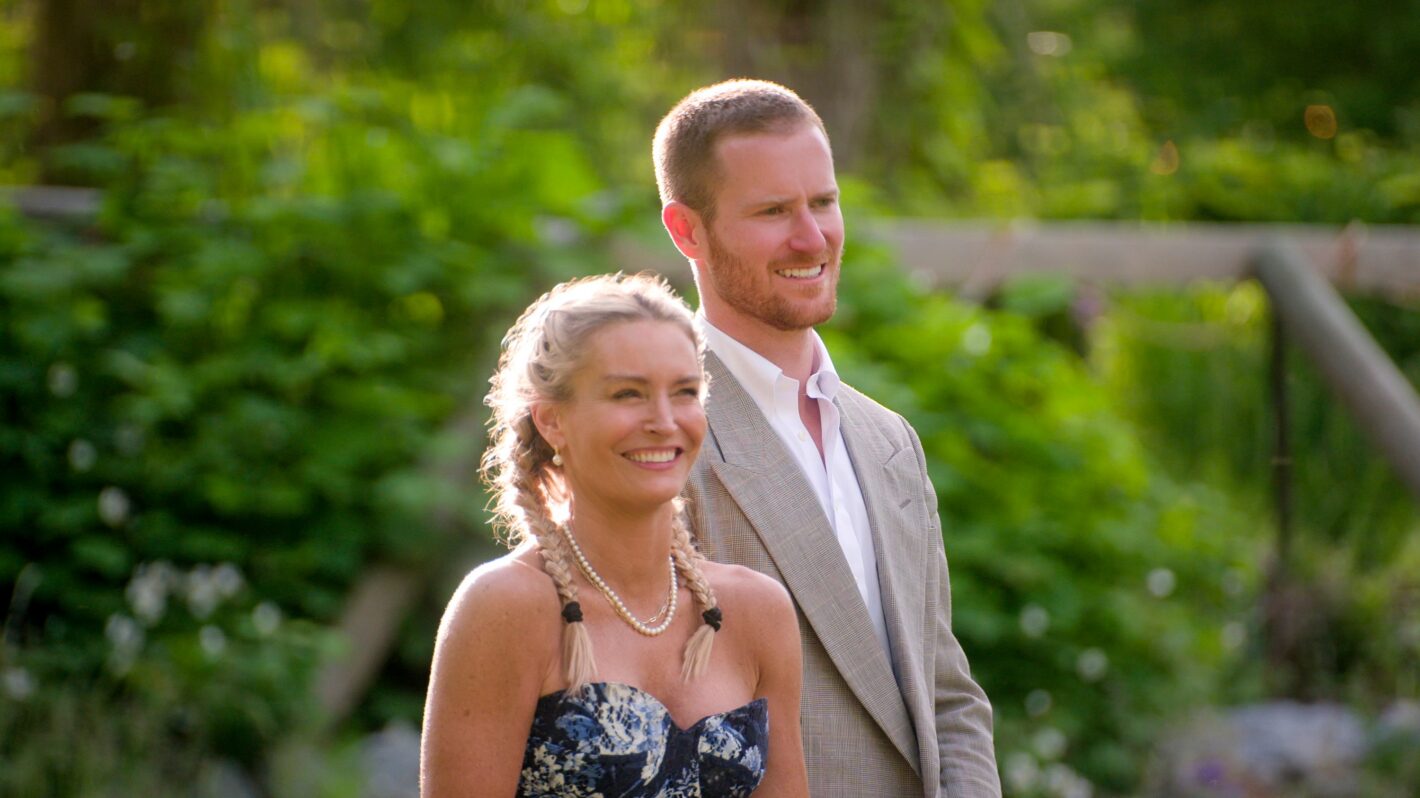
Netflix's latest foray into the world of reality dating, Age of Attraction, has captivated audiences with a unique and intriguing premise: what if you fell in love without knowing someone's age? The show deliberately hides the participants' ages from both the cast members and the audience during its initial episodes, setting the stage for a compelling social experiment designed to challenge our deepest preconceived notions about age and compatibility. This isn't just another dating show; it's a profound inquiry into the true drivers of human connection, forcing viewers and participants alike to look beyond numbers and focus on personality, chemistry, and shared values. The central question the series aims to answer, and what viewers are constantly asking, revolves around the true significance of the Age of Attraction Couples: Unpacking Their Mystery Ages and how those revelations impact nascent relationships.
Why Ages Are Hidden: A Deep Dive into the Psychological Strategy
The decision to conceal the Age Of Attraction Ages wasn't a casual one; it was a foundational "sliding door moment" in the show's development, as co-creator Jennifer O’Connell explained. There was a genuine debate about whether to reveal ages from the start, allowing the audience to "play along" with the guesswork. Ultimately, the creators chose a bolder, more experimental path, driven by a desire to test the hypothesis that genuine attraction can flourish unburdened by societal age stereotypes. This strategic choice underpins the entire integrity of the experiment, aiming to foster connections based on something far deeper than a number on a birth certificate.
- Challenging Preconceived Notions: From dating apps to family expectations, age often acts as an invisible filter, unconsciously narrowing our dating pool. By removing this filter, Age of Attraction forces participants to engage with individuals they might otherwise dismiss based on an arbitrary number. This directly confronts inherent biases that often dictate who we deem "suitable" or "attractive."
- Prioritizing Authentic Connection: When age is unknown, the focus naturally shifts to what truly matters: shared humor, intellectual stimulation, emotional intelligence, life goals, and overall compatibility. Participants are encouraged to listen more intently, observe body language, and connect on a purely human level, rather than categorizing potential partners based on a demographic data point.
- Exposing Societal Stigmas: Relationships with significant age differences often face scrutiny or judgment, whether from friends, family, or society at large. The experiment deliberately creates an environment where such relationships can form organically, allowing the participants and viewers to witness their development without initial prejudice. This allows for an authentic exploration of how Age of Attraction's Unique Dating Experiment & Age Gaps challenges conventional wisdom.
- Creating a "True Experiment": As co-creator Rebecca Quinn emphasized, every decision was made to impact not just the current season but also future seasons, aiming for a format with "legs." This commitment to a "true experiment" meant going all-in, even if it was expensive and logistically challenging, starting with a large pool of 40 single people of various ages.
The Mechanics of Attraction: How the Experiment Unfolded
The initial scope of Age of Attraction was ambitious, starting with 40 single individuals, a truly staggering number for a reality dating show. This extensive casting was crucial to ensure a wide demographic spread and maximize the chances of diverse connections forming. From this initial group, the numbers were gradually whittled down: first to 14 couples, and then to a core group of 6. This rigorous process allowed the show to hone in on the most promising connections, those that truly blossomed under the unique conditions of the experiment.
Co-creator Jennifer O'Connell expressed satisfaction with the outcome, noting, "We felt really good about the fact that 14 couples were hatched and most couples had an age difference." This observation is perhaps the most compelling early indicator of the experiment's success. It suggests that once the age barrier is removed, individuals are far more open to connecting with people outside their usual age range, leading to surprising and genuine matches. The fact that many of these initial pairings had an age difference directly supports the hypothesis that age, when not known, becomes less of a determining factor in attraction.
Rebecca Quinn highlighted the significant investment required for such an extensive cast, admitting, "There's no world where I would have ever thought we would work on a dating show where we had that many people. It's expensive. You're not going to be able to follow all the stories." This candid acknowledgment underscores the depth of their commitment to the experimental format. They were willing to sacrifice the typical reality show narrative focus on every single person's journey for the sake of a truly robust and insightful study of human attraction. This commitment to the format is what makes the ultimate revelation of the Age Of Attraction Ages so impactful, both for the participants and the viewers.
Applying the "Age of Attraction" Mindset to Your Own Dating Life
While most of us aren't participating in a Netflix dating experiment, the insights from Age of Attraction offer valuable lessons for navigating the complexities of modern dating. Here's how you can adopt an "Age of Attraction" mindset:
- Challenge Your Own Age Biases: Reflect on your own dating preferences. Do you have an unspoken "age range" that you rarely deviate from? Consider what might happen if you broadened that range slightly, or even significantly, for certain individuals who pique your interest.
- Focus on Compatibility, Not Demographics: When meeting someone new, whether online or in person, consciously shift your attention away from their age (if known) and towards their personality, conversation style, values, and how they make you feel. Are they kind? Funny? Intellectually stimulating? These qualities often transcend age.
- Give Everyone a Chance: Resist the urge to pre-judge based on age. A fascinating conversation or a strong connection can come from the most unexpected places. An individual who is slightly older or younger than your "ideal" might possess exactly what you're looking for in a partner.
- Be Open to Different Life Stages: While age often correlates with life stages (career, family, retirement), it's not a direct one-to-one correlation. Many individuals defy typical age-related expectations. Look for alignment in goals and energy, rather than assuming shared life stages based solely on age.
The Anticipation of Reveal: What Happens When the Age of Attraction Ages are Known?
The inherent tension and excitement of Age of Attraction culminate in the eventual reveal of the participants' ages. For both the couples formed within the experiment and the captivated audience, this moment is a critical turning point. The big question looms: will the genuine connections forged in the absence of age information withstand the weight of societal expectations or personal biases once the numbers are on the table? This critical phase of the experiment provides a fascinating test of the strength and authenticity of the bonds created.
For the couples, understanding the Age Of Attraction Ages can bring a new layer of self-awareness and potential challenge. Some may find their initial assumptions confirmed, while others might be genuinely surprised, discovering a much larger or smaller age gap than anticipated. The true test of their connection lies in how they navigate these revelations, whether they choose to lean into the connection they've already built or allow preconceived notions to introduce doubt. This stage of the show directly explores the broader societal discourse around Age of Attraction's Unique Dating Experiment & Age Gaps, showcasing how couples and audiences grapple with age as a factor.
For viewers, the reveal is equally engaging. Having watched relationships blossom purely on chemistry and shared experiences, audiences are prompted to re-evaluate their own judgments and biases. Did they correctly guess the ages? Were they surprised by certain age differences? More importantly, did their perception of the couples change after knowing their ages, and if so, why? This reflective process is central to the show's goal of fostering a deeper understanding of attraction beyond superficial metrics.
Conclusion: Beyond the Numbers, Towards True Connection
Age of Attraction stands as a compelling testament to the idea that love and connection thrive in environments free from prejudice. By deliberately obscuring the Age Of Attraction Ages, the show's creators have crafted a powerful social experiment that challenges both participants and viewers to look beyond superficial categories and embrace the rich tapestry of human diversity. The initial success, with many age-diverse couples forming, suggests that our societal fixation on age might be a greater barrier to love than age itself. As the show continues to unfold, revealing the final relationships and the eventual ages of its cast, it offers a hopeful message: true attraction, born from genuine connection, is a force strong enough to transcend mere numbers, paving the way for more authentic and fulfilling relationships in the modern world.